For more than 30 years, STEM education has helped young people explore, innovate, and build the future. At HIP4Spark, we honor that commitment by carrying its foundation into STEAM LABS—connecting science, technology, engineering, and mathematics with creativity, self-discovery, mentorship, and real-world experience. Together, we help students transform knowledge into wisdom, develop practical skills, and prepare to contribute to their careers and communities.
What if we stopped asking young people only what they want to be when they grow up and started giving them opportunities to discover what they're capable of becoming today?
That question is at the heart of HIP4Spark.
For generations, education has focused heavily on teaching young people what they need to know. Science, mathematics, technology, history, and other academic subjects all have an important place in preparing students for the world.
But we believe knowledge alone is not enough.
A young person can understand technology without knowing how to use it responsibly. They can memorize information without understanding how to apply it. They can earn excellent grades while still being unsure of their strengths, their interests, or where they belong in the professional world.
And they can have extraordinary potential without ever being exposed to the opportunities that would allow them to discover it.
We believe there's an opportunity to do something different.
We want to help young people move beyond simply learning information and begin developing the judgment, confidence, capabilities, relationships, and experiences that will help them navigate their futures.
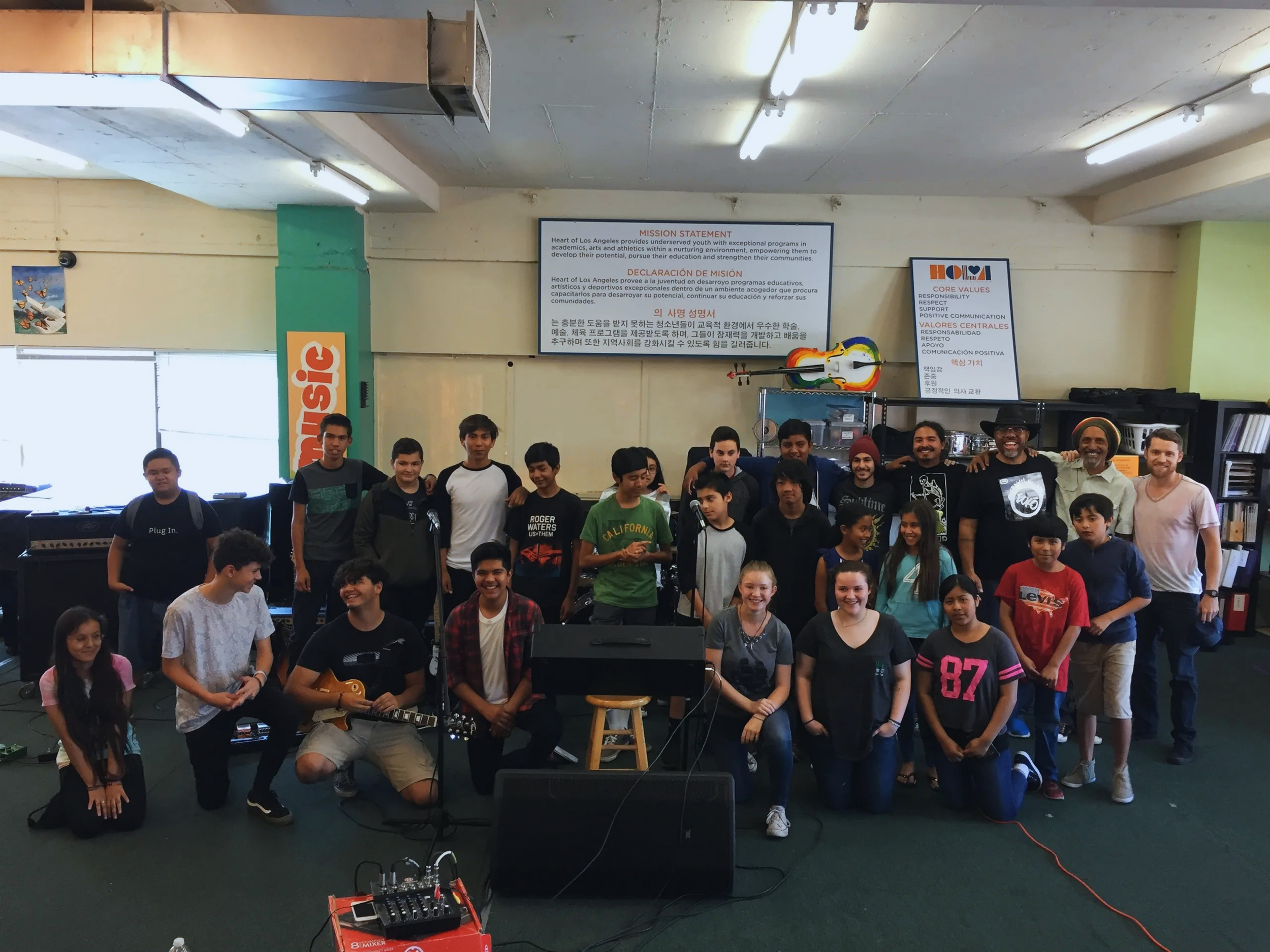
What Makes HIP4Spark Different?
Traditional STEM education focuses on Science, Technology, Engineering, and Mathematics. STEAM expands that model by incorporating the Arts.
Those disciplines are important, and they will continue to play a role in our programming.
But when we began developing HIP4Spark, we asked ourselves whether the subjects being taught should define the entire learning experience.
We believe there's something equally important to consider.
What kind of person is the student becoming through that experience?
Are they learning to think critically?
Are they discovering what they're good at?
Can they communicate, collaborate, and solve problems?
Do they understand how technology can support their ideas without replacing their own judgment?
Are they gaining experience that will help them enter the workforce?
And perhaps most importantly, are they learning how their abilities can contribute something meaningful to the world?
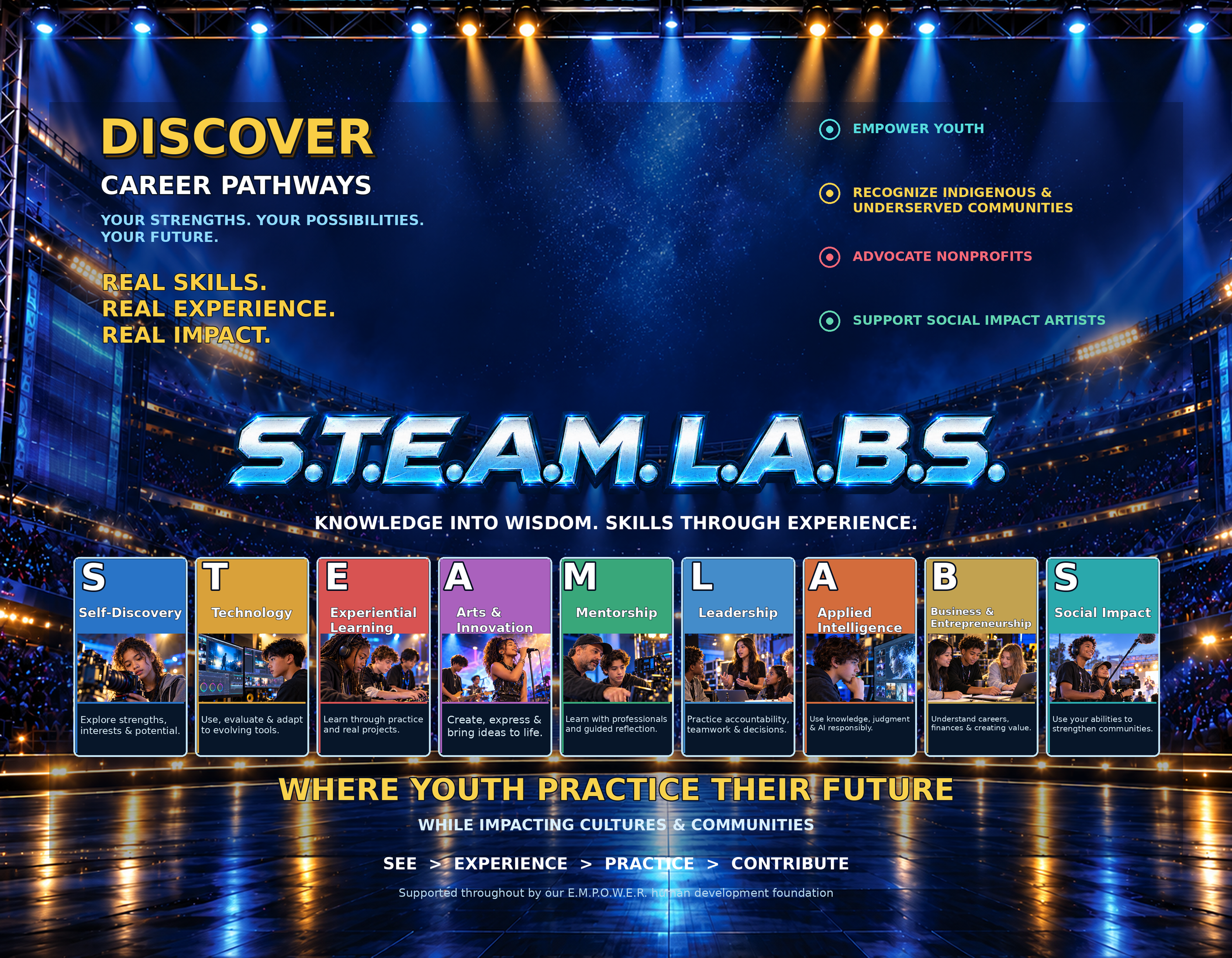
These questions led us to redefine what S.T.E.A.M. L.A.B.S. means within HIP4Spark.
Rather than organizing our entire framework around academic subjects, we've built it around nine interconnected areas of development.
Each area is designed to help young people turn what they learn into something they can understand, practice, and apply.
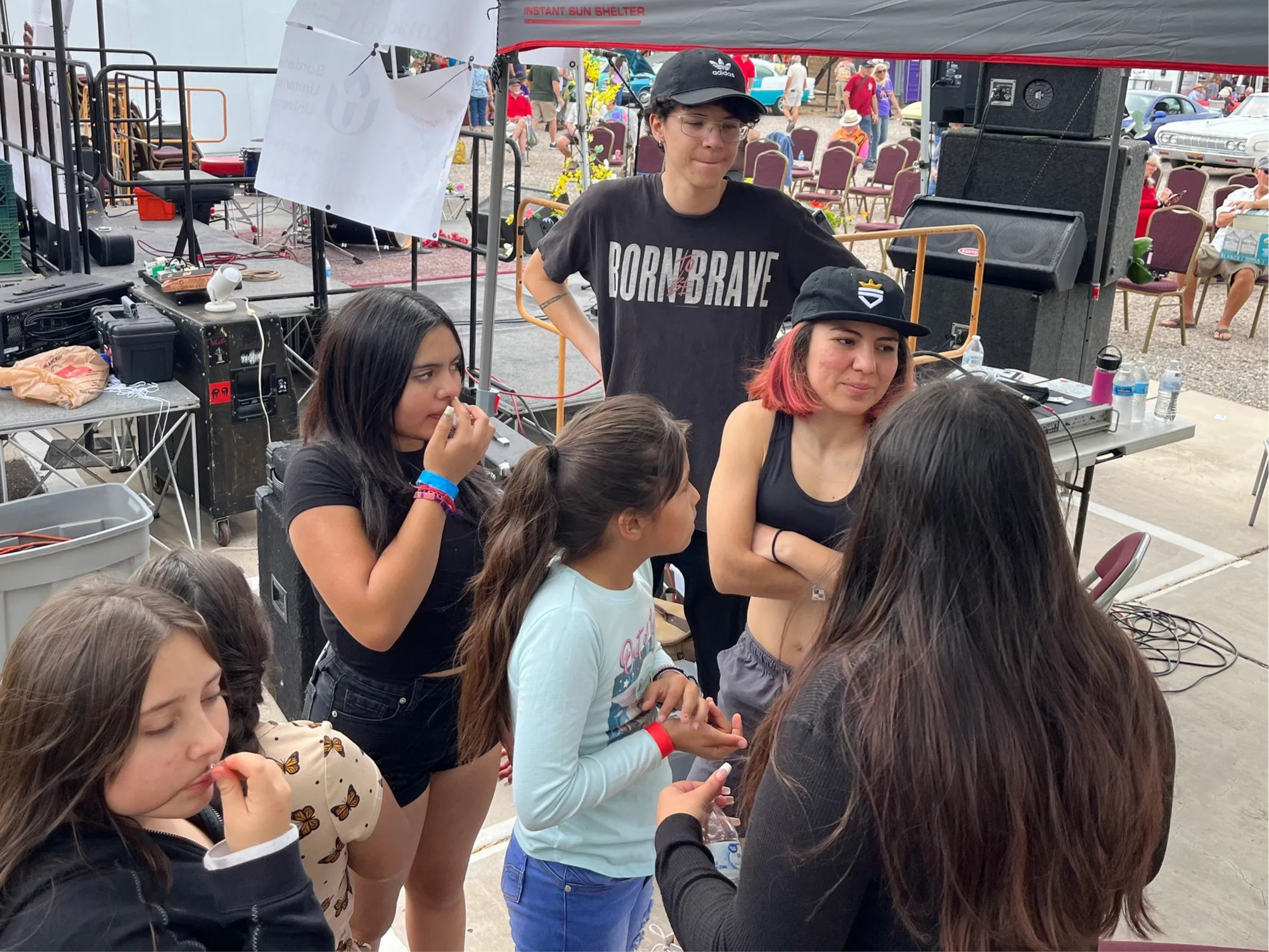
S — Self-Discovery
Understand personal strengths, interests, values, and potential.
We believe the first step toward building a meaningful future is helping young people discover who they are.
Before asking a student to choose a career, we want to give them opportunities to explore their interests, recognize their abilities, and discover possibilities they may never have considered.
Some students already know what excites them. Others haven't had the opportunity to find out.
Through exposure to different industries, creative experiences, professional environments, and hands-on activities, we want students to begin recognizing where their interests and abilities may lead.
Self-discovery isn't about expecting young people to have their entire lives figured out.
It's about helping them recognize that their potential is worth exploring.
T — Technology (STEM/STEAM)
Learn to use, evaluate, and adapt to evolving technologies.
Technology is changing how we communicate, create, work, and interact with the world.
We want young people to become more than consumers of technology. We want them to understand how it works, how it can be used, and how to adapt as it evolves.
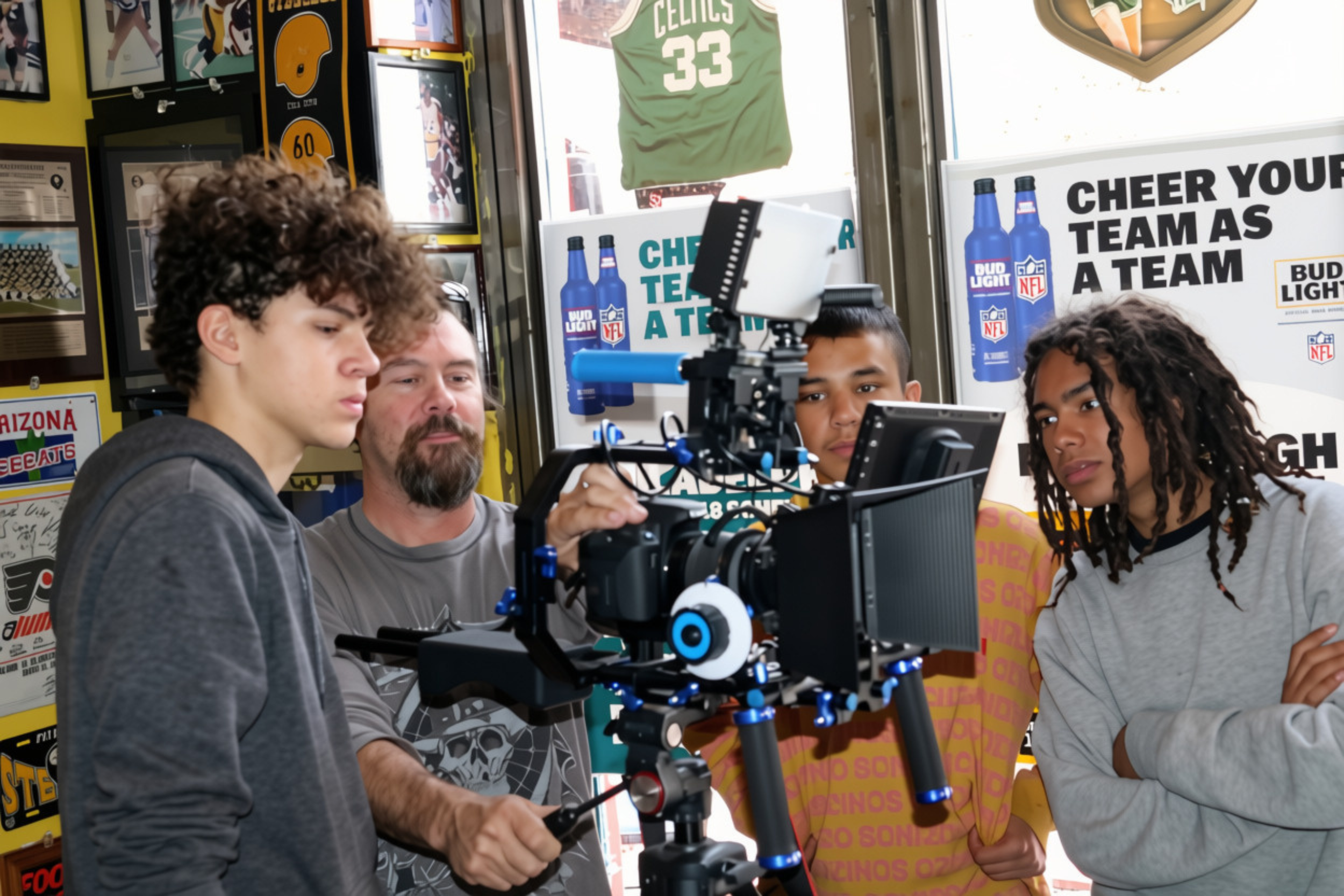
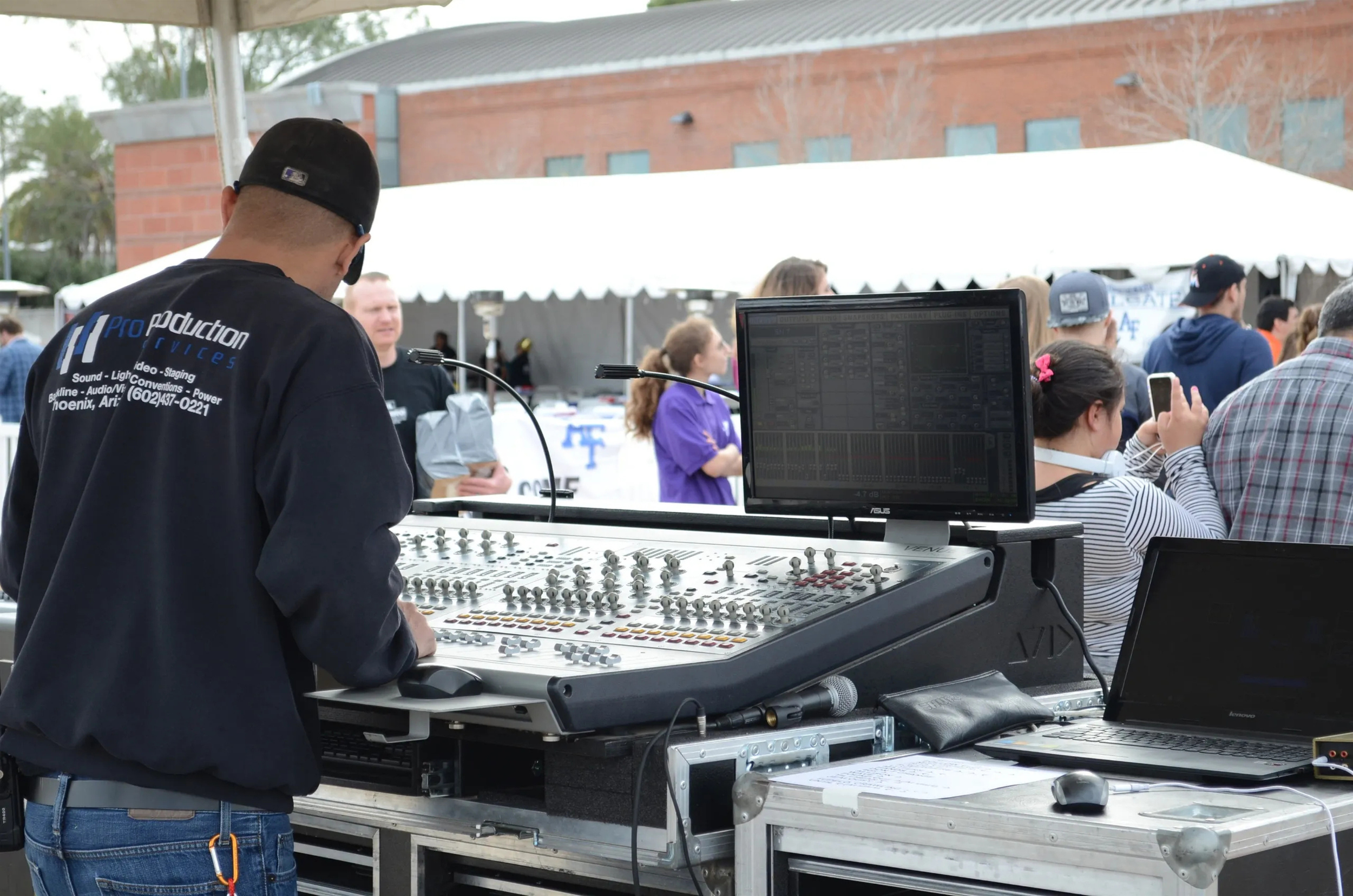
Through professional production equipment, digital media, creative software, artificial intelligence, and emerging technologies, students gain practical exposure to tools being used in today's industries.
But learning to operate equipment is only part of the experience.
We also want students to ask questions, evaluate information, understand limitations, and recognize how technology can help solve real problems.
Our goal isn't simply to teach today's tools.
It's to help students develop the confidence and adaptability to learn tomorrow's.
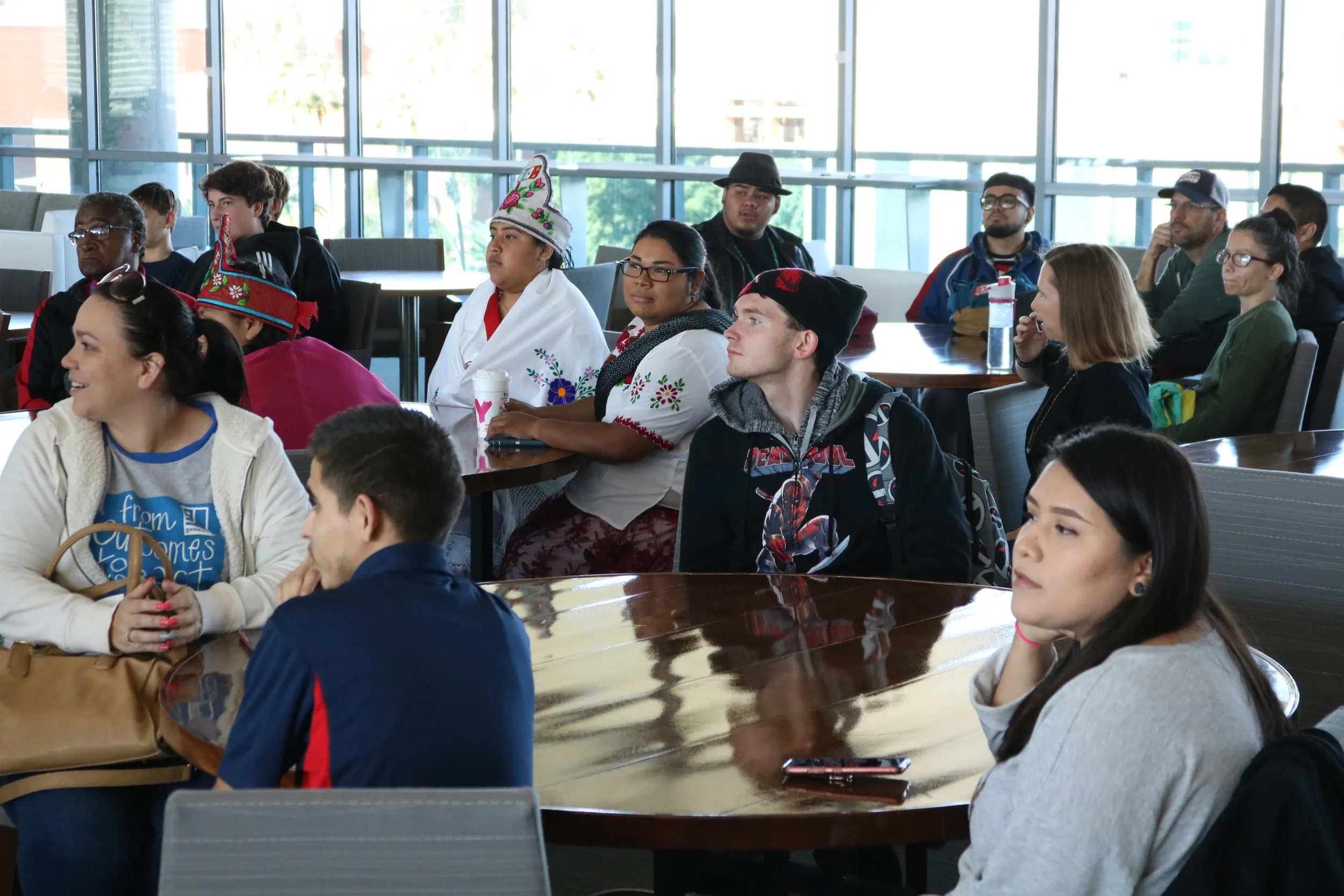
E — Experiential Learning
Build understanding through hands-on practice and real projects.
We believe one of the most powerful ways to learn is through experience.
There's a difference between watching someone operate a camera and being responsible for capturing an interview.
There's a difference between learning about sound engineering and standing behind a mixing console during a live production.
There's a difference between discussing business and working with a team to deliver something of value to a real organization.
At HIP4Spark, we want young people to experience those differences.
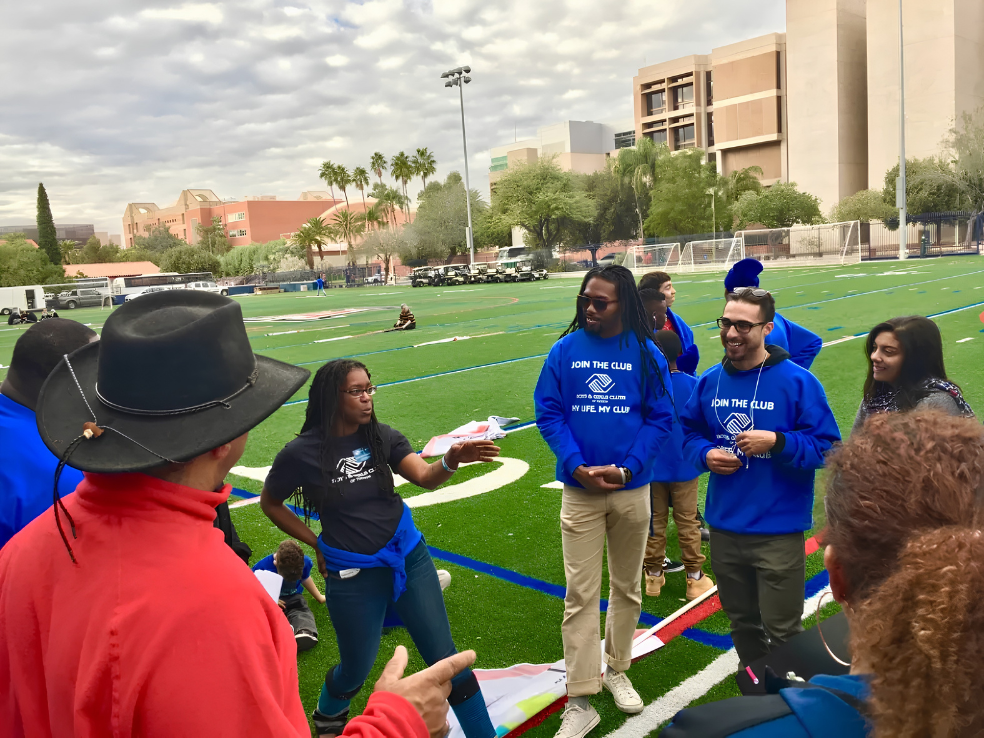
Students will have opportunities to work with equipment, participate in projects, explore professional responsibilities, and learn from both their successes and mistakes.
We want them to discover what it feels like to contribute to something real.
Because experience helps turn information into understanding.
A — Arts & Innovation
Develop creativity, expression, imagination, and inventive thinking.
Creativity is not limited to artists.
It's part of engineering, entrepreneurship, technology, leadership, problem-solving, and nearly every profession.
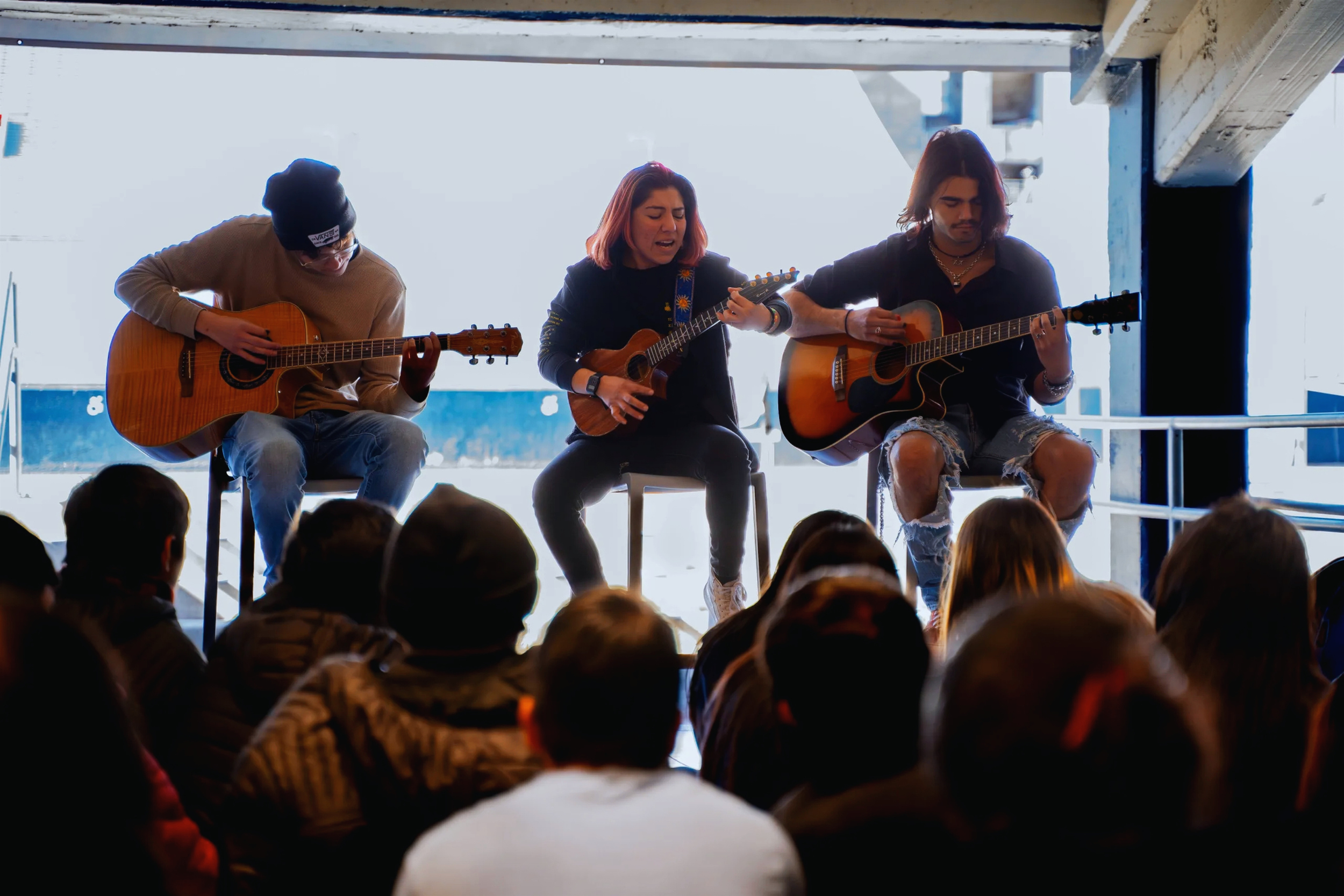
Through music, film, live production, storytelling, visual media, and other creative experiences, we want students to develop their ability to imagine possibilities and bring ideas to life.
Some students may discover a passion for performing. Others may find their strengths behind a camera, in sound engineering, lighting design, writing, production management, or building the technology that makes creative work possible.
We want students to understand that innovation often begins with the willingness to see something differently.
The arts provide a powerful environment for developing that mindset.
M — Mentorship
Learn from experienced professionals, relationships, and guided reflection.
We believe young people benefit tremendously from being around people who are actively doing the work they may one day want to pursue.
That's why mentorship is central to HIP4Spark.
We want to connect students with professionals who can share their knowledge, demonstrate their craft, explain the realities of their industries, and help students learn through experience.
Mentorship is more than teaching someone how to complete a task.
It's helping them understand expectations, professional relationships, accountability, communication, and the decisions that shape a career.
We also want students to recognize that learning doesn't stop when someone becomes successful.
Great professionals continue to ask questions, seek guidance, and develop their abilities.
Those are habits worth building early.
L — Leadership
Develop accountability, communication, collaboration, and decision-making.
We don't believe leadership begins with a title.
It begins with responsibility.
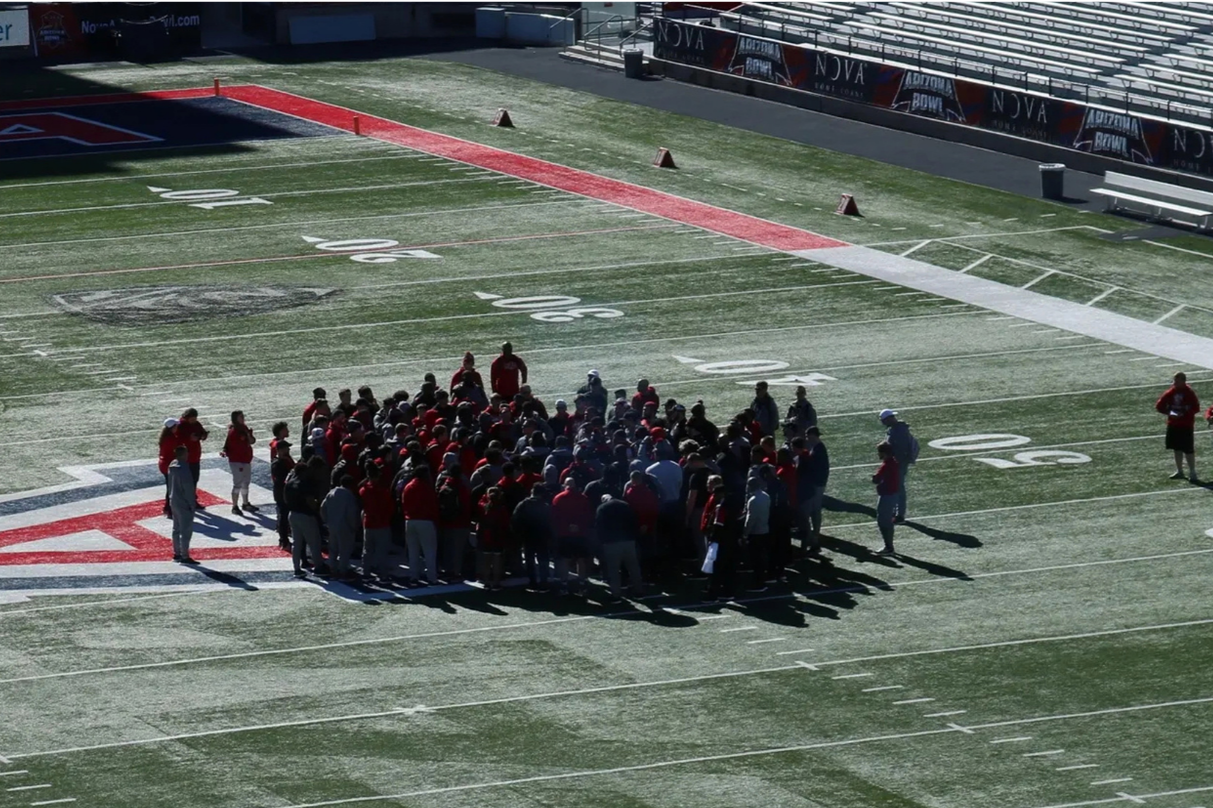
A student doesn't have to be in charge of an entire project to demonstrate leadership. They can show it by following through on a commitment, supporting a teammate, solving a problem, or taking ownership of their work.
Through collaborative projects and real professional experiences, we want students to practice communicating clearly, making decisions, respecting different perspectives, and understanding how their actions affect others.
Some students may become entrepreneurs, managers, or organizational leaders.
Others may become exceptional specialists and contributors.
Both paths require leadership qualities.
Our goal is to help students recognize that leadership is something they can practice regardless of the position they hold.
A — Applied Intelligence
Use knowledge, critical thinking, and AI responsibly to solve problems.
This is one of the most important distinctions in our framework.
We want young people to understand that having information and knowing what to do with it are not the same thing.
Knowledge provides information.
Experience provides perspective.
Critical thinking helps us evaluate possibilities.
Wisdom helps us consider how, when, and why to apply what we've learned.
As artificial intelligence becomes increasingly integrated into the workforce, these abilities become even more important.
We want students to learn how to use AI as a tool for research, creativity, planning, production, and problem-solving.
But we also want them to recognize that technology doesn't eliminate the need for human judgment, ethics, responsibility, or independent thought.
Our goal is to help students become thoughtful problem-solvers who can combine knowledge, technology, experience, and sound judgment.
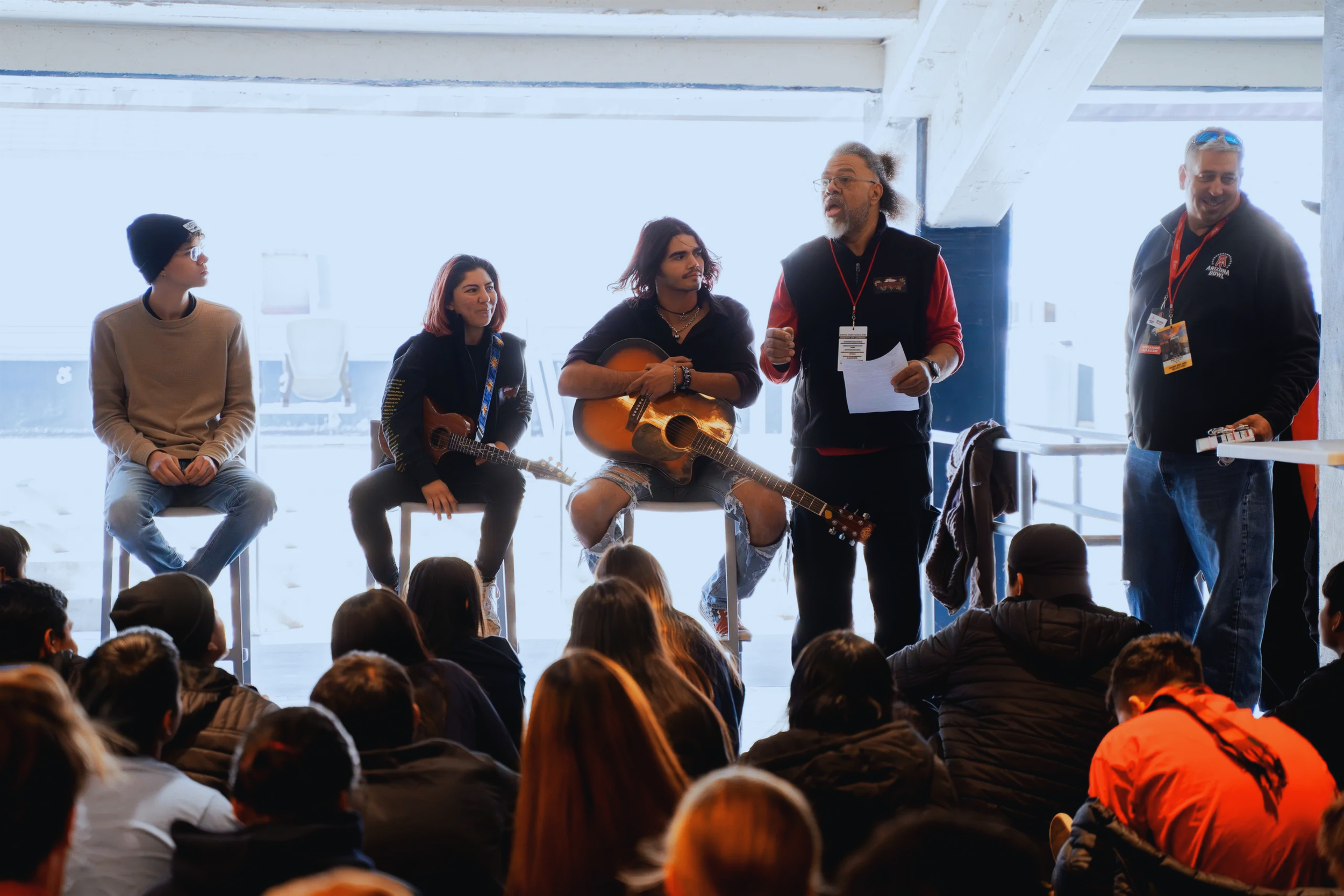
B — Business & Entrepreneurship
Understand careers, enterprise, financial literacy, and creating value.
We believe every young person can benefit from understanding how businesses and organizations operate, whether they eventually become entrepreneurs or employees.
Behind every concert, sporting event, film, nonprofit initiative, and successful product is a network of people making decisions, managing resources, solving problems, and creating value.
We want students to understand that world.
Through practical experiences, students can explore budgeting, financial literacy, project planning, operations, marketing, customer relationships, entrepreneurship, and the responsibilities involved in delivering professional work.
We also want them to discover the enormous range of careers connected to the things they already enjoy.
A young person who loves football may never become a professional athlete, but they may discover a future in broadcasting, media production, technology, marketing, sports management, or business ownership.
We want to expand their understanding of what's possible without asking them to abandon what they love.
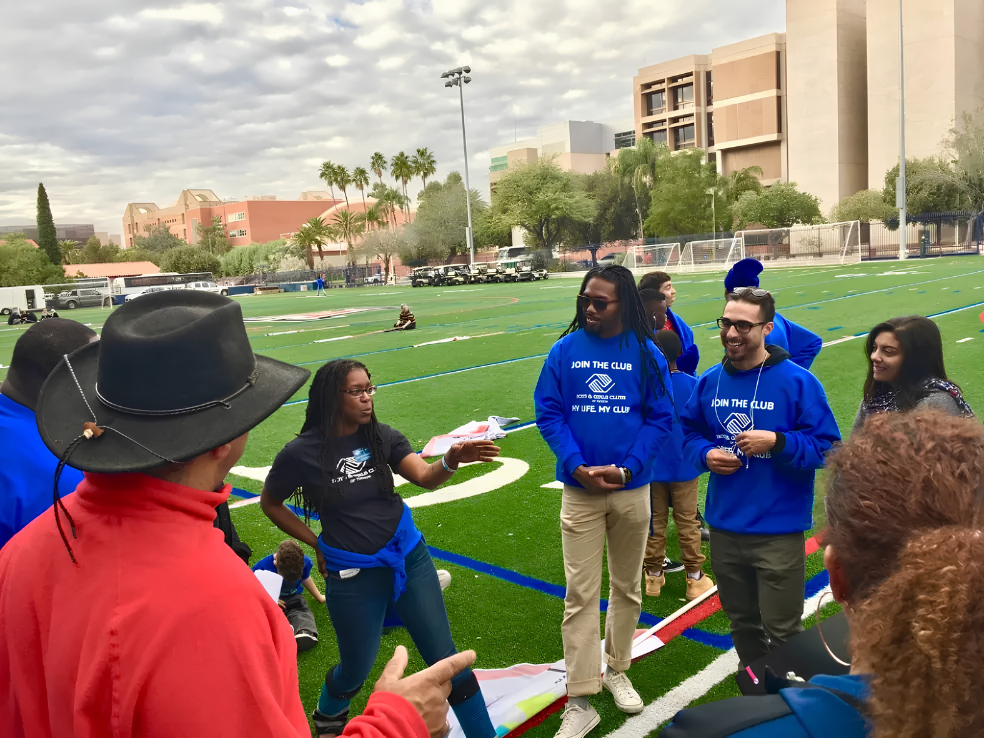
S — Social Impact
Apply personal and professional abilities to strengthen communities.
We believe the value of learning becomes even greater when young people have opportunities to use their abilities to help others.
That's why social impact isn't simply an additional activity within HIP4Spark.
It's an important part of the purpose behind our programming.
Through partnerships with nonprofit organizations, Indigenous and underserved communities, and social impact artists, students can contribute to projects that have meaning beyond the classroom.
They may help document a community event, produce media for a nonprofit, support a social impact musician, or help tell a story that deserves greater recognition.
These experiences allow young people to see that their work has value.
They're not simply practicing for some distant future.
They're developing abilities that can make a difference today.